
How Much Do Braces Cost Without Insurance? 2026 Real Payment Guide
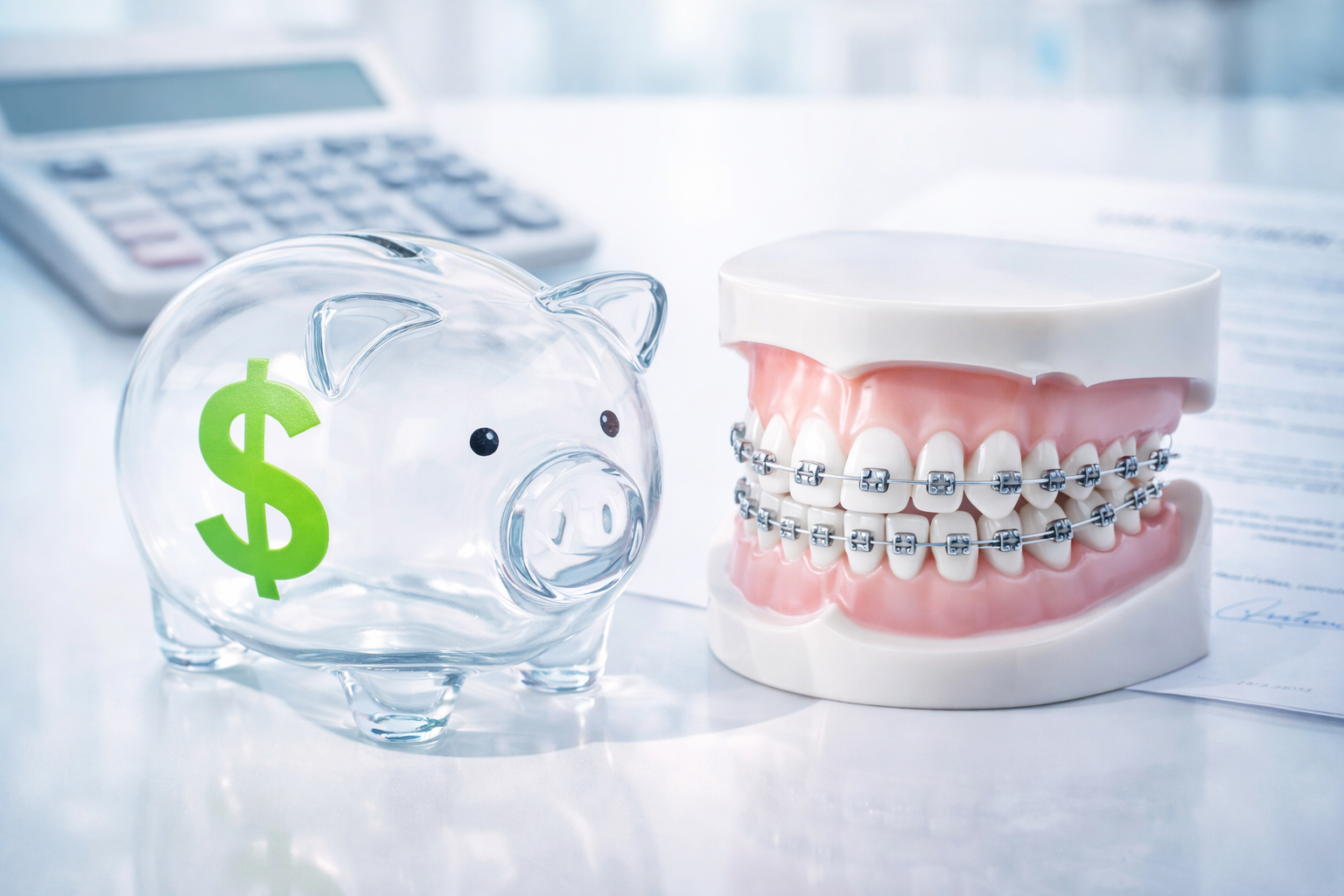
If you don’t have dental insurance, the thought of paying for orthodontic treatment out-of-pocket can be terrifying. But let’s look at the actual numbers: Without insurance, braces typically cost between $3,000 and $8,000 depending on the type of treatment and case complexity.
Here is the secret most people don’t know:
Dental insurance rarely covers the entire cost of braces anyway. It usually only contributes a lifetime maximum of $1,000 to $2,000. Not having insurance simply means you are responsible for the base fee, which orthodontic offices make highly affordable through 0% interest payment plans.
In this guide, we break down the exact out-of-pocket costs for 2026, explain why the price tag is what it is, and give you actionable strategies to finance your perfect smile without breaking the bank.
Average Cost Without Insurance (By Type)
The total fee you pay heavily depends on the materials you choose. As detailed in our National Braces Price Guide, here is what cash-paying patients can expect in 2026:
| Treatment Type | Average Cost (No Insurance) |
|---|---|
| Traditional Metal Braces | $3,000 – $6,500 |
| Ceramic (Clear) Braces | $4,000 – $7,500 |
| Clear Aligners (Invisalign) | $3,500 – $8,000 |
| Lingual Braces (Behind Teeth) | $8,000 – $10,000+ |
Why Braces Are Expensive Without Insurance
To confidently navigate a pricing quote, you must understand what you are actually buying. The $5,000 fee is not just for metal brackets; it is a “Comprehensive Global Fee” that covers 18 to 24 months of continuous medical care. It includes:
- Diagnostic Records: High-tech 3D CBCT scans, panoramic X-rays, and clinical photography.
- Appliance Lab Fees: If you choose Invisalign, the orthodontist pays a massive flat fee (often over $1,500) directly to Align Technology just to print your plastic trays.
- Adjustment Visits: You are paying for the doctor’s specialized chair time every 4 to 8 weeks for two years.
- Retainers & Refinements: The cost usually includes the removal of the braces, final polishing, and your first set of post-treatment retainers.
How to Afford Braces Without Insurance
Orthodontic clinics are essentially small businesses. They want to treat you, and they have built-in financial mechanisms to make it happen without third-party insurance:
In-House 0% Plans
Almost 95% of orthodontists act as their own bank. They will let you pay off the balance over 18-24 months with zero interest and no credit checks. Read our full guide to monthly plans.
HSA & FSA Accounts
Even without insurance, you can use your pre-tax Health Savings Account (HSA) to pay for braces, effectively giving you a 20-30% discount based on your tax bracket. Learn how to negotiate using an HSA.
Dental Schools
Getting treated by orthodontic residents at a local university dental school can slash your total out-of-pocket cost by 30% to 50% while maintaining specialist-level oversight.
Paid-In-Full Discount
If you have cash savings, ask for the PIF discount. Clinics usually knock 3% to 8% off the total price if you pay upfront, as it saves them billing administration costs.
Estimated Monthly Payment Breakdown
Let’s remove the mystery. Here is a highly realistic mathematical breakdown of how an uninsured patient pays for a standard $5,000 braces treatment:
Real-World Financing Simulation
*This is a conceptual example. Many clinics offer low down payments starting at $250 to further reduce the barrier to entry.
Is It Cheaper for Adults Without Insurance?
There is a common misconception that adults pay more for braces. The base cost of the appliance is exactly the same whether you are 14 or 40.
However, adult cases can sometimes cost slightly more simply because adult bone is denser, meaning adult treatment times can take longer. More months in the chair equals a higher total fee.
The irony? Even with insurance, most standard employer dental plans have a strict age cap (usually age 19) for orthodontic coverage. Therefore, the vast majority of adults in the United States are paying for braces without insurance anyway! You are not alone, and the market is priced to accommodate cash-paying adults.
Are There Cheaper Alternatives?
Desperation for cheap treatment often leads uninsured patients down risky paths. Be highly cautious of:
- Mail-Order Clear Aligners (DTC): Companies offering aligners by mail for $1,500 seem like a steal. However, attempting to move teeth without direct X-rays and in-person supervision by a doctor can lead to irreversible bite damage, bone loss, and tooth death. The “Retreatment Cost” to fix this mess will far exceed standard braces.
- General Dentists vs. Orthodontists: A general dentist might offer a discount on Invisalign. While great for very minor cosmetic tweaks, if you have a complex bite issue, paying slightly more for a board-certified orthodontic specialist is the safest financial investment.
The Long-Term Value
An uninsured $5,000 price tag feels heavy today, but it is an investment that prevents tens of thousands of dollars in future dental bills.
Straight teeth prevent premature enamel wear, stop TMJ pain, and significantly reduce the risk of periodontal disease. Don’t let a lack of insurance stop you. Call local clinics and ask directly: “What are your flexible down payment options for cash patients?”
Read the Long-Term ROI of BracesFinancial Deep Dives
Free Consultations
Almost 90% of orthodontic offices offer a completely free initial consultation and X-ray. You can get exact pricing with absolutely zero financial commitment.